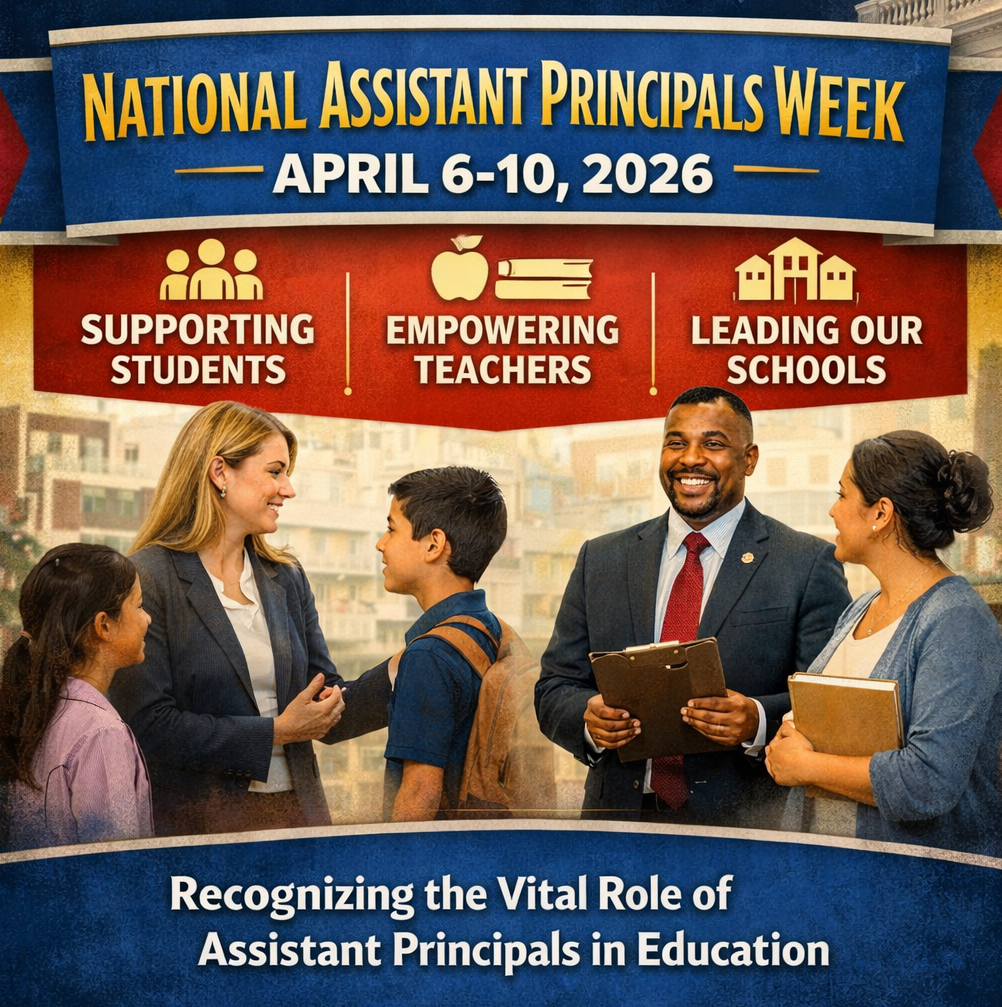
Assistant principals are being celebrated in the U.S. Senate, as a group of Democratic lawmakers moves to formally recognize their contributions to schools across the country.
Led by Dick Durbin, alongside Mazie Hirono, Martin Heinrich, and Ben Ray Luján, the resolution would designate April 6 through April 10, 2026, as “National Assistant Principals Week.”
The measure comes as schools nationwide continue to navigate educator shortages and increasing demands on leadership. The senators say assistant principals are central to maintaining positive school climates, supporting teachers, and ensuring student success.
“Our assistant principals set the tone for school environments, cultivating a positive learning atmosphere for students while providing essential support to faculty and staff,” Durbin said. “Their work deserves recognition.”
The resolution underscores growing concerns about the stability of the education workforce. According to a 2022 report from the National Association of Secondary School Principals, four in 10 principals surveyed said they expected to leave their jobs within three years. At the same time, a shrinking teacher pipeline has reduced the pool of candidates available to step into leadership roles such as assistant principal.
Lawmakers point to research showing that effective school leadership improves teacher satisfaction and retention, key factors as districts work to address staffing shortages.
Assistant principals often juggle a wide range of responsibilities, from discipline and operations to instructional leadership and community engagement, with many reporting increased workloads in recent years.
The resolution is backed by several major education organizations, including the National Association of Elementary School Principals, the National Association of Secondary School Principals, and AFSA.
If adopted, the designation would serve as a national acknowledgment of assistant principals’ role in supporting students, educators, and school communities during a challenging time for the education system.